Movies Ruined by Studio Interference
- scarejonathan98
- Aug 25, 2025
- 7 min read

Over the course of movie history, there have been a lot of poor elements in movies. Some of those decisions can be attributed to poor acting, writing, and special effects, but some of them can be attributed to studio interference. Studio interference often impacts movies by the studio forcing certain elements into the story, forcing important elements to be cut, or just replacing or forcing out directors well into the production process. While some studio restrictions are necessary to stop the director from going too deep into the rabbit hole, take Megalopolis for example, most of the time, extensive studio interference often makes movies turn out for the worse. As the title would imply, I want to share 10 movies/studios that were negatively affected by studio interference. Not all of these movies turned out badly, but they definitely would have been better if the studio had not gotten involved.
1. Sony Spider-Verse Movies

Sony has been ruining their Spider-Man movies since the very beginning. Starting with Spider-Man 3, Sam Raimi wanted to focus the story on Spider-Man versus Sandman. However, Sony mandated that Venom be included in the story, something that Sam Raimi has been very vocal about being against. The result was a bit of a mess with a solid Sandman story with a Venom story crammed in there. You can tell Sam Raimi did not want Venom in the movie; otherwise, more effort would have been put into that part of the story. The next movie to see Sony's interference was The Amazing Spider-Man 2. Mark Webb was trying to tell a simple Electro Vs Spider-Man story, but Sony wanted to set up like 17 other movies. They had already announced 4-5 new movies in this universe and wanted to get the ball rolling. The results were a mess with Mark Webb trying to tell his story while Sony tried to shoehorn a setup for The Sinister Six, Black Cat, The Rhino, and Spider-Slayer. The critical and audience reception was poor, and thus, this iteration of the Spider-Man universe was dead before it could begin. Finally, Sony caused a disaster with the Spider-Man villain universe. This universe was a bad idea to begin with, but the film Morbius. Madame Web and Kraven the Hunter were especially terrible as Sony refused to develop quality stories and instead opted for quantity and just cut out half of the movie to make it as short as possible, causing all of these movies to be incohesive and even more terrible. I'm not saying Morbius was ever going to be good, but I think cutting half the movie made it worse.
2. The Mummy

The Mummy was another failed start to a cinematic universe. The original idea was to tell a classic monster story for a modern day. However, once the executives at Universal got involved, it turned into a disaster. Universal wanted to copy the MCU and start a cinematic universe with classic monsters. To hype it up, they released a photo of a bunch of famous actors who were supposed to star in this franchise before the first movie even came out. To make matters worse, they rushed production, put out an unfinished trailer, and were more concerned with setting up this universe than telling a good story with The Mummy. The result was The Mummy killing the Dark Universe before it even began.
3. Alien 3

Alien 3 was the directorial debut of David Fincher, which had the potential to be great but was destroyed in the editing room. The movie's troubles started before production even began, as it went through 5 different writers because none of them could get along with Fox's ideas. Instead of waiting for a finished script, the studio opted to start filming while the script was still being written. Once the film was in production, David Fincher constantly clashed with Fox to the point that the studio locked him out of the editing room and finished the movie without him. The movie ended up bad enough that David Fincher disowned it as his first film.
4. The DCEU
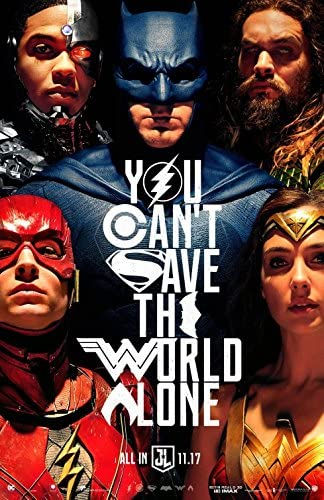
This was another franchise that fell victim to playing catch-up to the MCU. The first victim was Batman v. Superman: Dawn of Justice. Zach Snyder wanted to focus on the Batman V Superman story; however, WB wanted to set up Justice League to play catch-up with the MCU and thus forced in Wonder Woman and a bunch of setup clips with other members of the Justice League. Batman v. Superman still would have been flawed, but Warner Bros' interference made it worse. The next victim in the DCEU was Suicide Squad. Originally, David Ayer was given full creative control over the movie, which had a much darker tone. However, the success of Deadpool and the critical failure of Batman V Superman caused the studio to get cold feet and dramatically reedit the film and change the tone. The studio's genius plan was to edit the trailer to seem lighter in tone and then recut the movie to match the tone of the trailer, which caused the film to be destroyed by critics. The final nail in the coffin was with Justice League. Zach Snyder was originally supposed to direct his film; however, Warner Bros sleazily used the death of his daughter to replace him with Joss Whedon (director of The Avengers). The result was a Frankenstein's monster of a film with bizarre shifts in tone. The studio also mandated an under two-hour run time, which, when trying to introduce a bunch of new heroes, obviously did not bode well. The experience was so bad that it turned Ray Fisher (Cyborg) off from acting for a while. To see how Justice League was supposed to turn out, check out Zach Snyder's Justice League.
5. X-Men Origins Wolverine

This was yet another Superhero film ruined by studio interference. The director wanted a dark and gritty tone addressing Wolverine's time in war and PTSD. However, Fox had a fundamental misunderstanding of the character and forced a lighter tone in the story, causing the film to mash war, PTSD, and Wolverine, who is one of the darkest Marvel characters, into a family-friendly movie. The studio also unforgivably misunderstood the Deadpool character by making the character known as "The Merc with a Mouth" have his mouth sewn shut. The movie was so bad that the Deadpool films would go on to mock it and go back in time to stop it from happening.
6. Solo: A Star Wars Story

This film may not have been better without studio interference, but it definitely would have been less of a flop. The movie was originally supposed to be directed by Lord and Miller, who got well into filming. However, their vision did not align with Disney's, and they had a very public breakup. The studio then brought in Ron Howard, who is more of a company yes man, to finish directing, which resulted in reshooting over 70% of the film, costing Disney a lot of money. The result was a film with no distinct style to it, and it was such a box office flop that Disney stopped making Star Wars spinoff films. In my opinion, the whole Disney Star Wars era has been screwed up by Kathleen Kennedy, as she lacks the skills to have any cohesive plan for the franchise, but that is more of a lack of studio interference. There is a balance.
7. Fantastic Four

This is yet another Fox ruined superhero film. Josh Trank wanted to make a gritty, thoughtful Fantastic Four film. Fox did not. Between too many studio notes and Josh Trank having a breakdown on set, this movie ended up being a disaster. Nobody was able to compromise on what film they were trying to make to the point where the studio went over the director's head to do reshoots as well as extensive edits to the film that cut out multiple action sequences. It was so bad that the director knew how much of a disaster the film was and publicly denounced it on Twitter on opening weekend.
8. Blade Runner

Blade Runner is another film that was ruined in the editing room. Ridley Scott had great resources to work with, but the studio found the story dense and confusing. To solve this, they decided to add in multiple terrible voice-overs for exposition as well as change to a happy ending instead of the darker ending that Ridley Scott intended. On release day, the movie failed to impress. Thankfully, Ridley Scott was able to release his director's cut of the movie, which has since turned into a cult phenomenon and is known as a sci-fi classic. Though there is still some debate as to which cut is better.
9. Superman II

Much like Blade Runner, Superman II's studio interference resulted in multiple cuts of the film. The original plan was to shoot Superman and Superman II back to back with Richard Donner. However, there was a major beef between Donner and the studio, resulting in Donner being removed from the project 80% of the way through filming. The studio brought in Richard Lester to take over; however, to get full director's credit, he had to reshoot a significant portion of the movie. This resulted in a lighter campier tone as well as several gaps in the story, no Marlon Brando, and less Gene Hackman. While the movie was well received, it failed to reach the highs of the original. Richard Donner was able to release his version of the film years later, but due to the gap in time, he had to reuse test footage and the ending of the original Superman to closely capture his original vision, resulting in a complete film. While neither version is terrible, I think the best version would have been Richard Donner's original vision before it was removed from the project.
10. The MCU

While the MCU is the gold standard for a shared universe, it was not immune to studio interference. The first noticeable effect of this was in Iron Man II. The studio mandated a 2-year turnaround, causing Jon Favreau to have to rush the script. It also had issues with casting, with Terrance Howard having to be recast due to the studio cutting his pay. The next noticeable example is in Avengers: Age of Ultron. While not a bad film, it has clear problems with trying to cram too much in. Marvel mandated so many different aspects to be set up for later films, causing Joss Whedon to not be able to make the film he wanted. It was so stressful that Joss Whedon stepped away from directing. The final example is in most of the later eras of the MCU. With a few exceptions (James Gunn and Guardians of the Galaxy Vol. 3, Sam Raimi and Doctor Strange and the Multiverse of Madness, and Ryan Coogler and Black Panther: Wakanda Forever), most of the post-Endgame films feel more like committee-written films. There aren't specific examples, but most of these films feel like too many cooks in the kitchen, with the director trying to work with microwaved scripts and constantly changing studio mandates. However, this is more a symptom of the MCU stretching Kevin Feige (Head Creative) too thin and prioritizing quantity or quality.


Comments